
Boca Grande & Outer Islands
If you want to enjoy one of our most memorable – one could even say magical – experiences, explore the outer islands. One option is driving from the mainland across the Boca Grande Causeway to Boca Grande. If you arrive by boat, you can get a glimpse of the secluded beaches of North Captiva Island and Cayo Costa State Park on the way. Looking for the perfect stop for lunch or a cold drink? You’ll find it at the...
If you want to enjoy one of our most memorable – one could even say magical – experiences, explore the outer islands. One option is driving from the mainland across the Boca Grande Causeway to Boca Grande. If you arrive by boat, you can get a glimpse of the secluded beaches of North Captiva Island and Cayo Costa State Park on the way. Looking for the perfect stop for lunch or a cold drink? You’ll find it at the Cabbage Key Inn & Restaurant on a tiny island in Pine Island Sound, accessible only by boat.
Visit the historic town of Boca Grande at the south end of Gasparilla Island to find white-sand beaches, pastel-colored homes, fiery bougainvillea and an aura of quiet wealth. It’s here that the grande dame Gasparilla Inn & Club has reigned since 1911 – and it’s also where you can enjoy one of life’s little splurges when you have breakfast or lunch at The Inn’s Dining Room. Nearby, there’s a sweet downtown, where a restored, historic railway depot houses the Keylime Bistro and Loose Caboose Ice Cream & Candy Shop, as well as other casual options for dining.
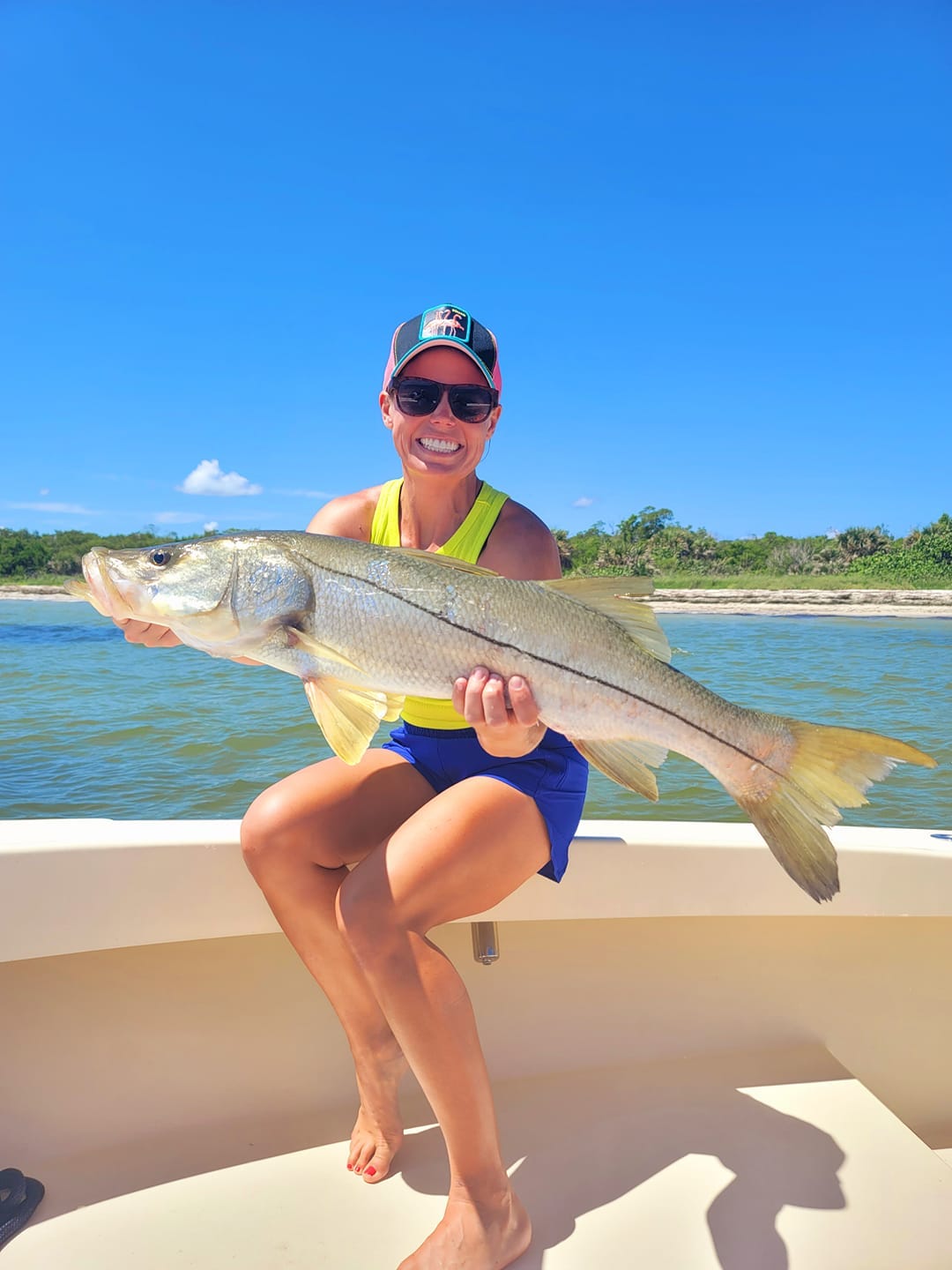
The six-mile Boca Grande Rail-Trail runs the length of Gasparilla Island, perfect for a fresh air adventure – rent a bike or a golf cart and explore. Along the way, stop underneath the towering canopy on Banyan Street to take vacation photos. Head south to get glimpses of both the Port Boca Grande Lighthouse Museum at Gasparilla Island State Park and the Gasparilla Island Lighthouse. Spending some time on the water is a must-do here: Consider renting a boat, taking a scenic cruise or chartering a fishing boat. Boca Grande is known as the “Tarpon Capital of the World,” and you’ll find a fishing captain at Boca Grande Marina who can help you tell the fish tale of a lifetime – catching a “Silver King” that could weigh as much as 100 pounds.
A unique vacation experience sits on North Captiva island, which is only accessible by boat or private seaplane. The island is popular for its secluded beaches, large and secluded rental homes. The only way around the island is by golf cart, which most vacation rentals include.
Offshore, teal waters hold some of the best-kept secrets in Florida. With no bridge access, the outer islands attract curious boaters of all abilities. Hop on a boat, take a ferry, or head out on an island-hopping tour. More than 100 islands punctuate the coastal waters with natural experiences not to be missed.
26.7489586, -82.262039
Things to Do
Explore our vibrant neighborhoods full of personality and you’ll get to know the essence of Boca Grande and the Outer Islands.
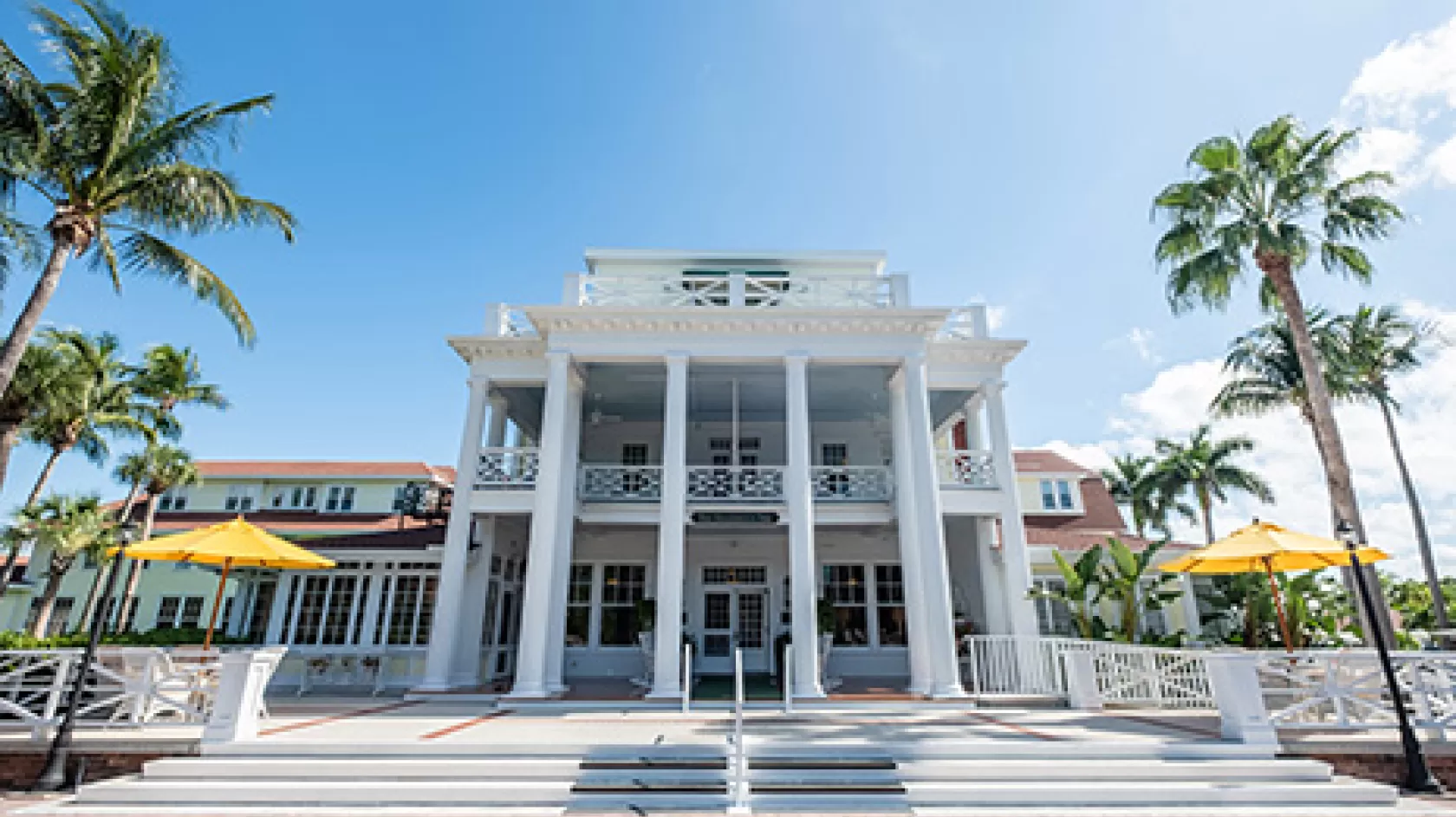
Accommodations
Find cottages, resorts, campgrounds, hotels and rentals in the area.
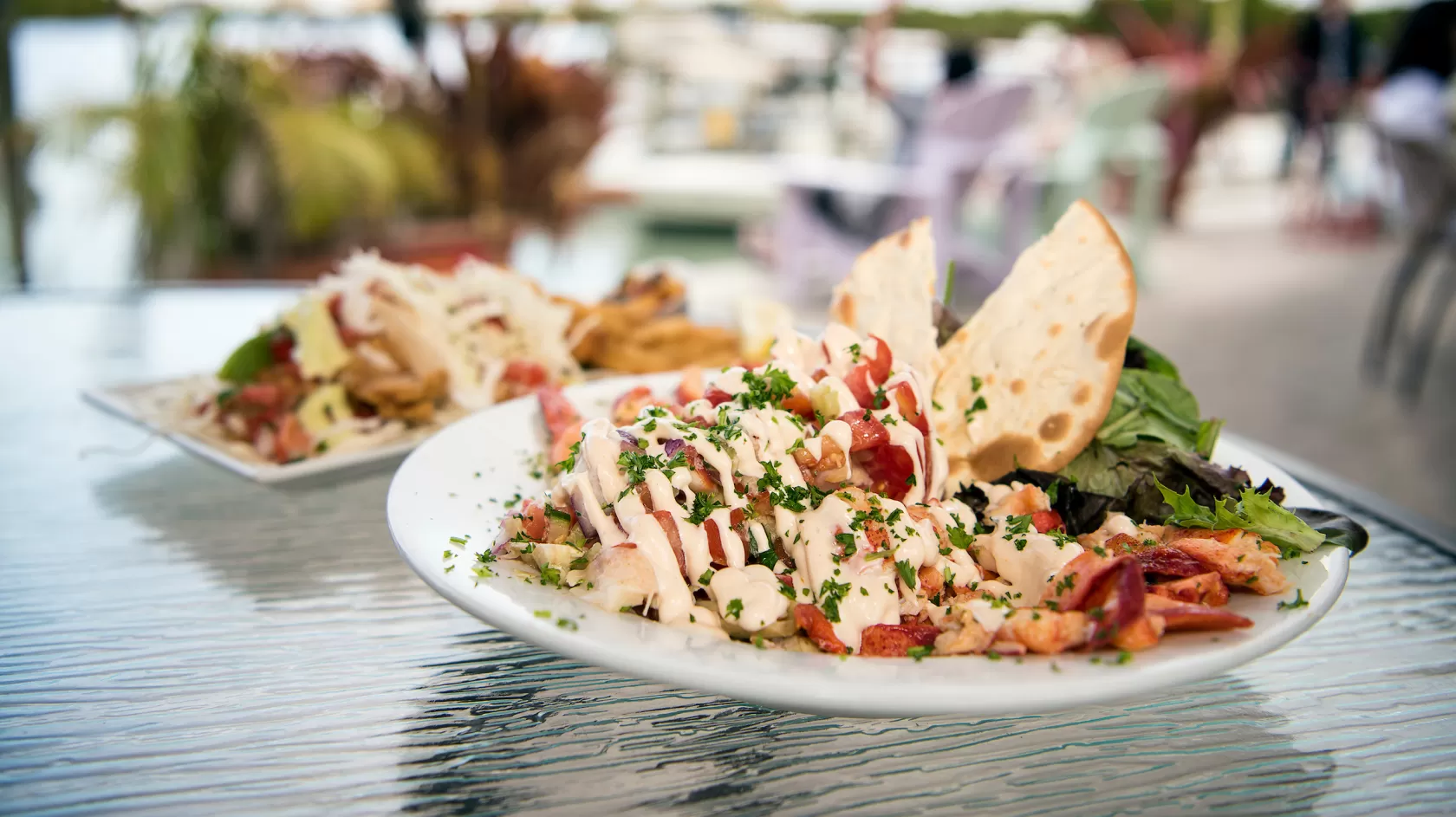
Eat & Drink
There's seafood aplenty and so much more to devour.
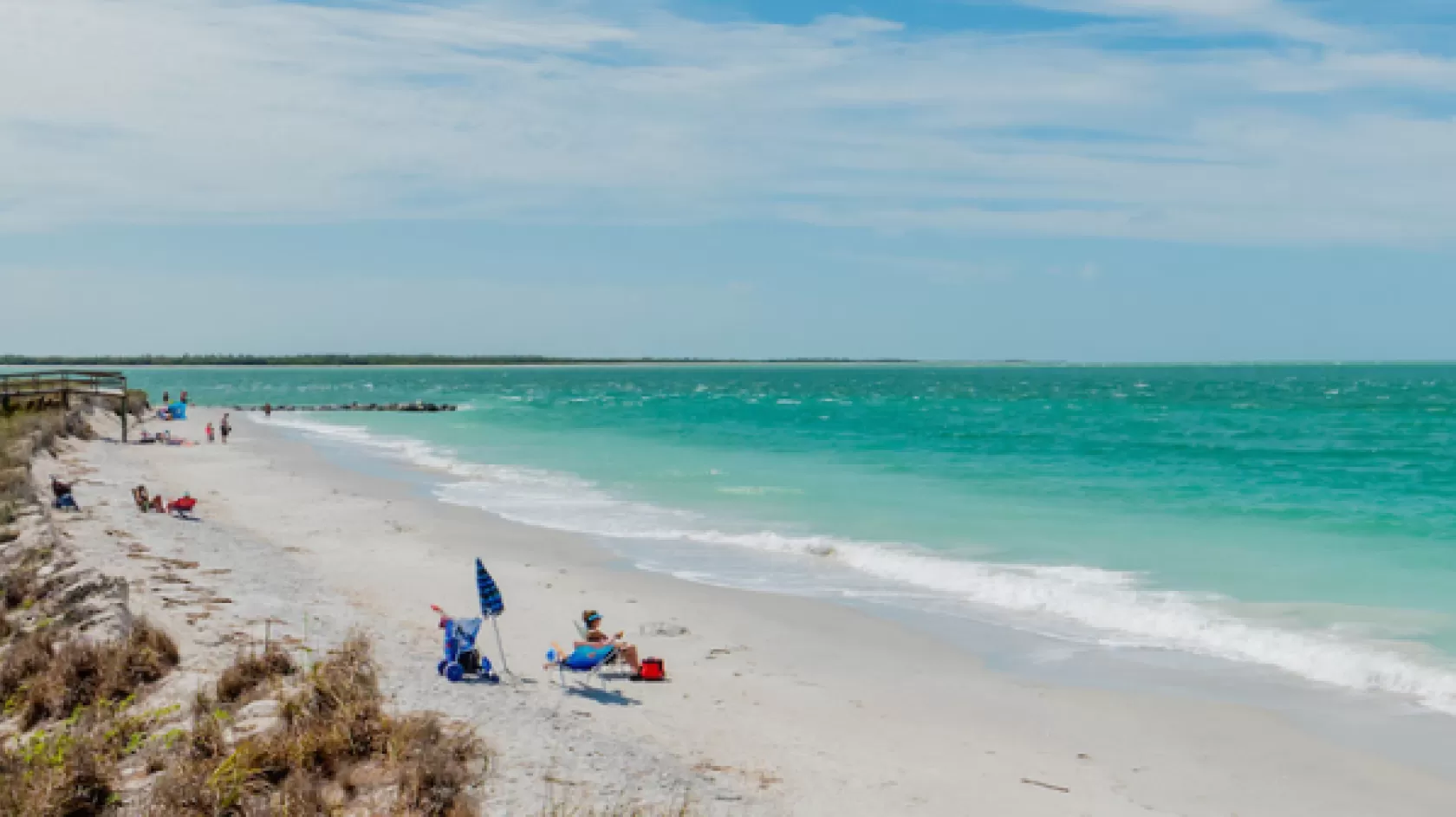
Beaches, Parks & Nature
Get out and explore the most natural parts of the area.
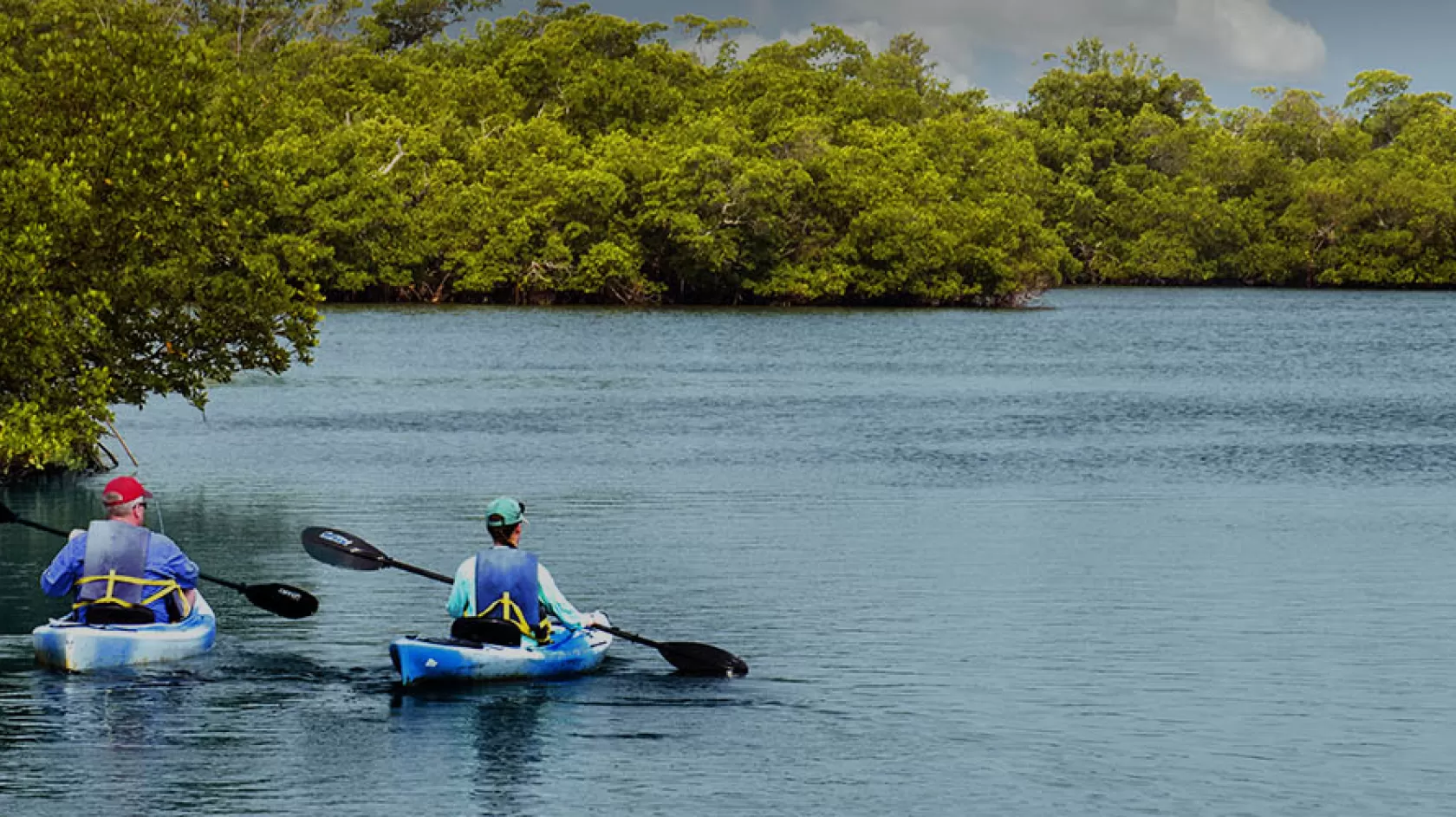
Paddling Trail
Take the scenic route along the Calusa Blueway.

Get to Know Boca Grande
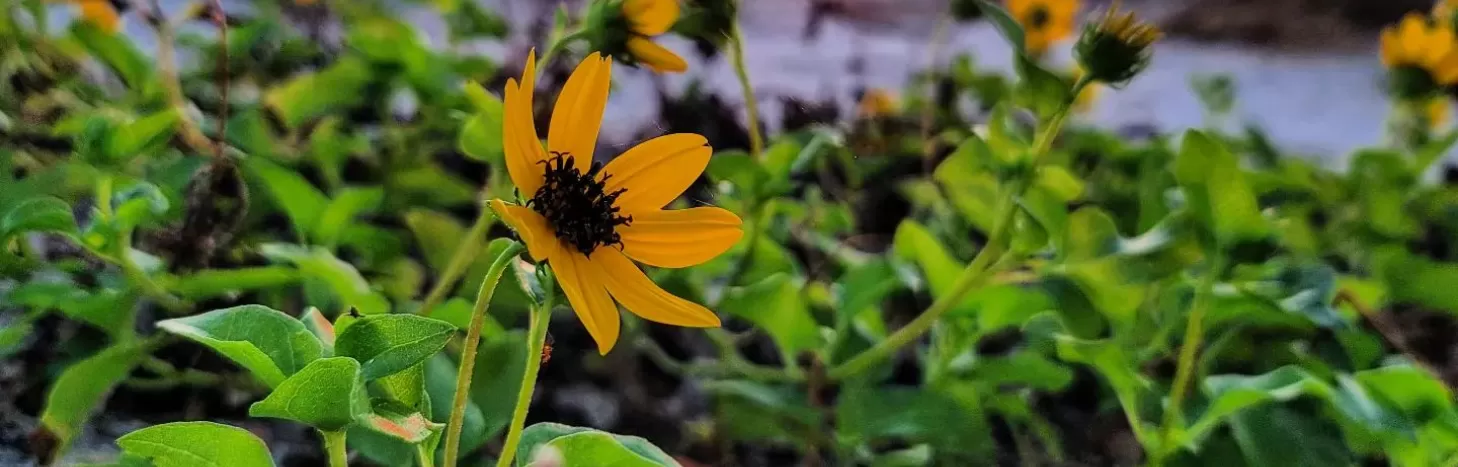
Our most secluded islands are accessible once again. Revel in the relaxation of Boca Grande and the Outer Islands where sun and surf meet culture and cuisine.
Boca Grande Webcam
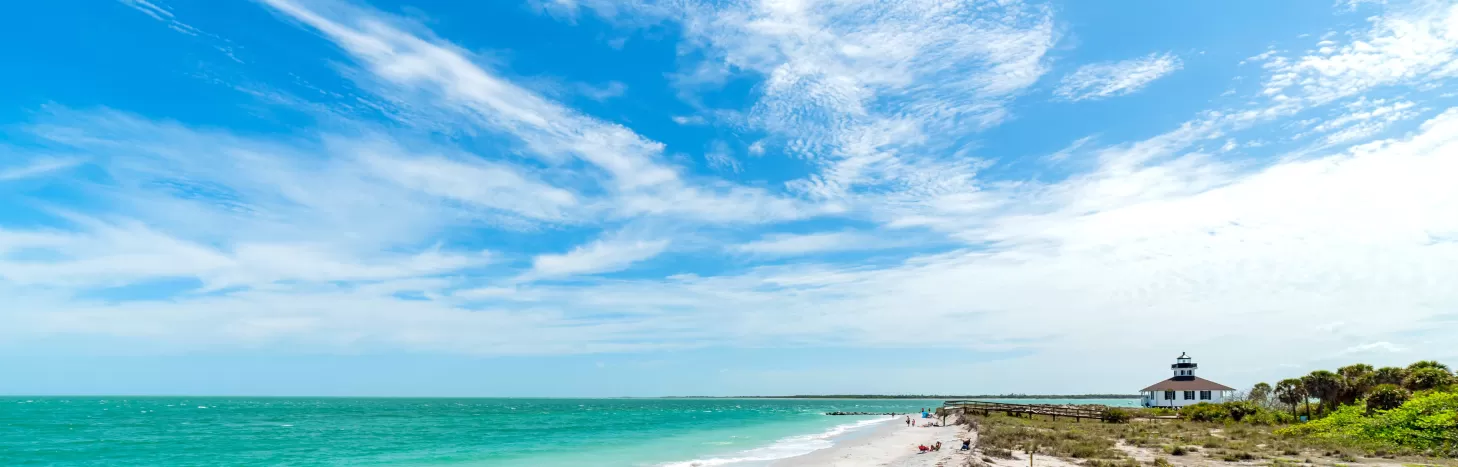
See the blue-green water of the Gulf of Mexico and the one-mile stretch of beach at Gasparilla Island State Park.
Share Your Moments
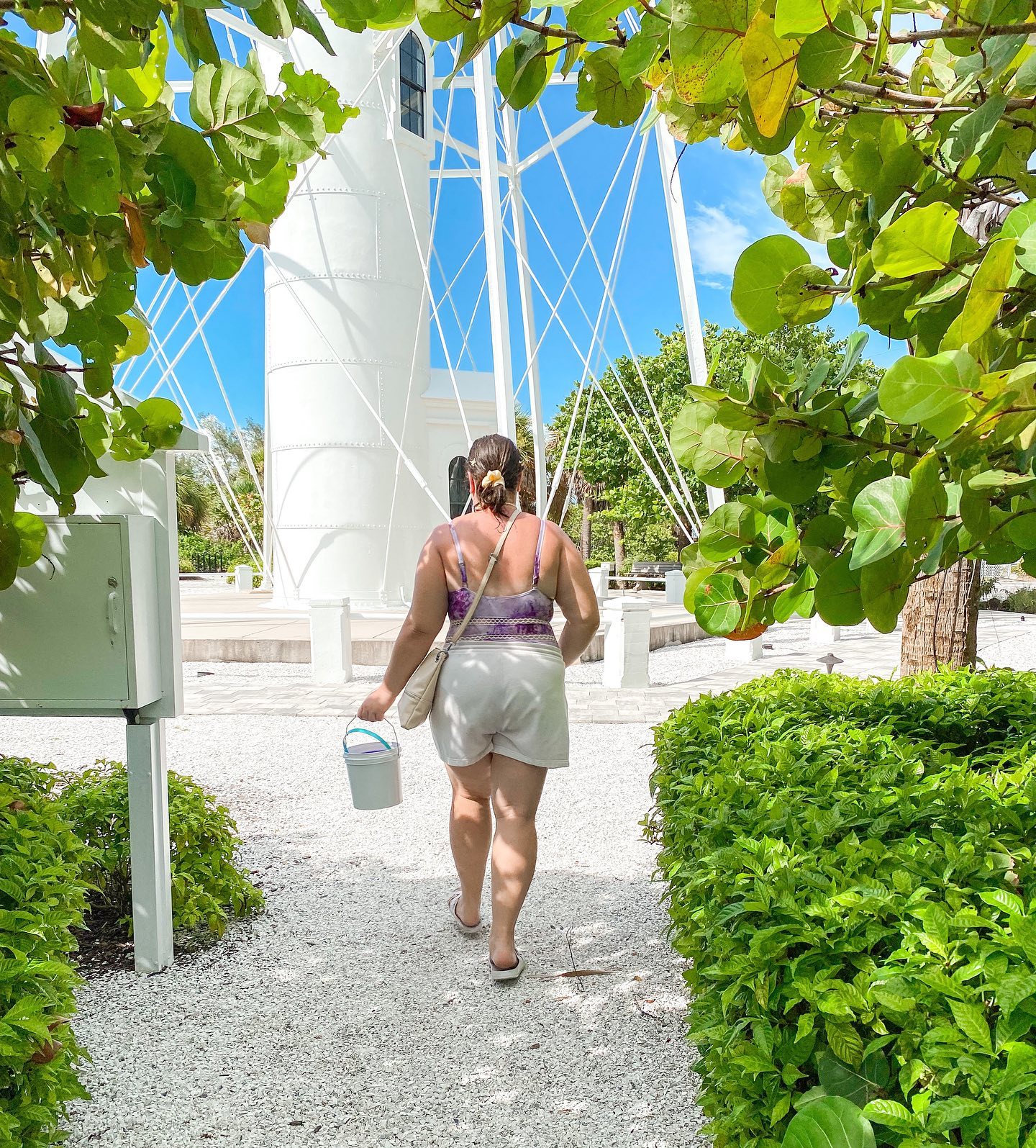
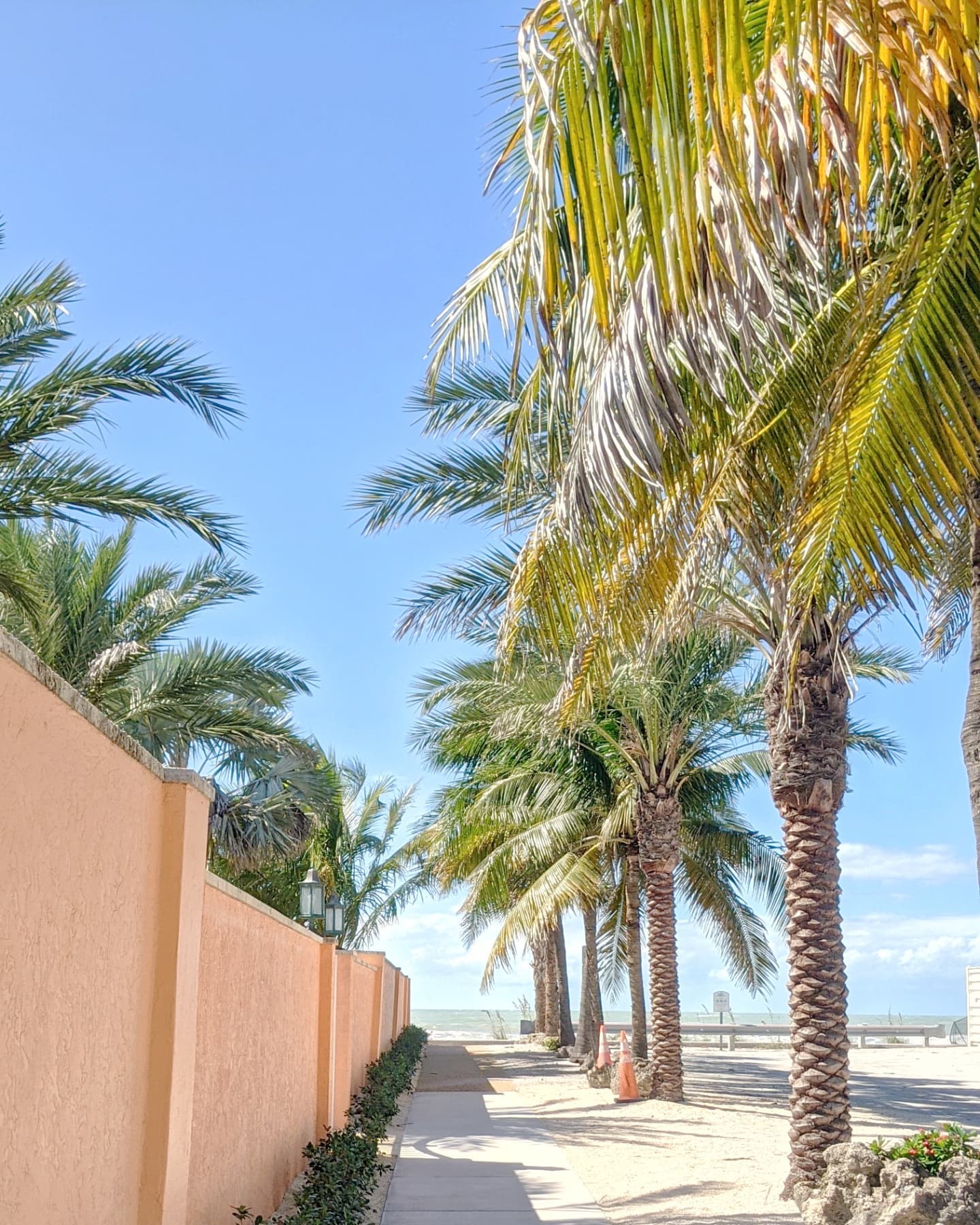
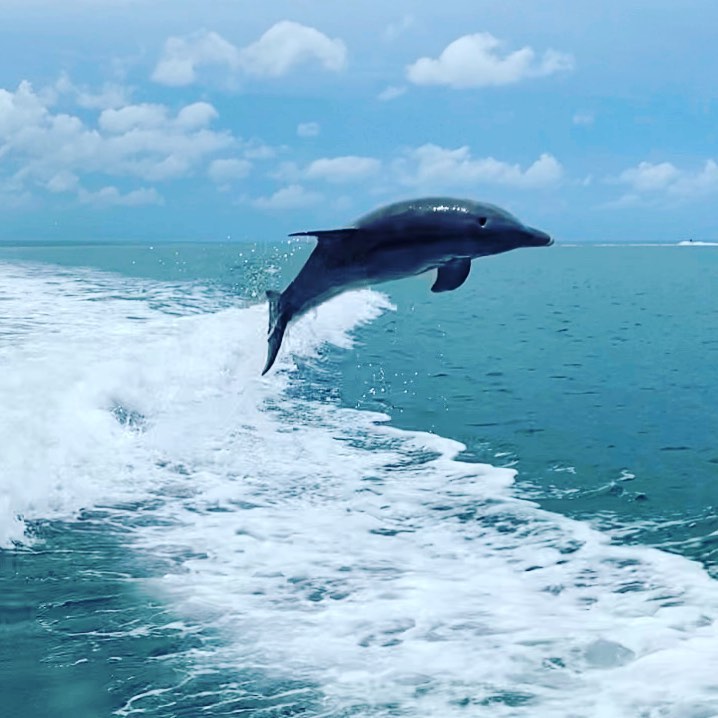
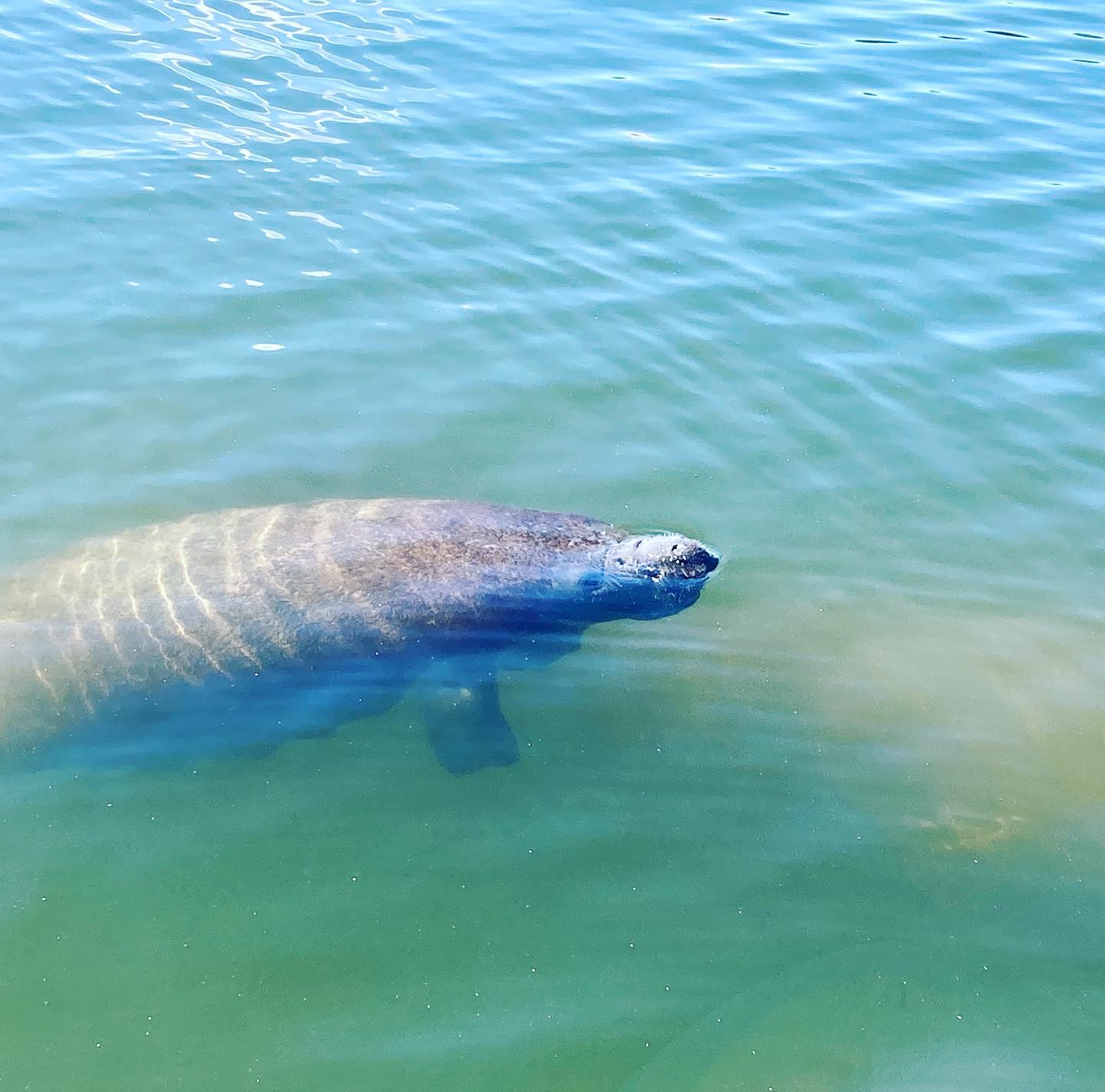
Show us your memories throughout Fort Myers' islands, beaches and neighborhoods using #MyFortMyers.







Contact
2201 Second Street
Suite 600
Fort Myers, Florida 33901
Suite 600
Fort Myers, Florida 33901


